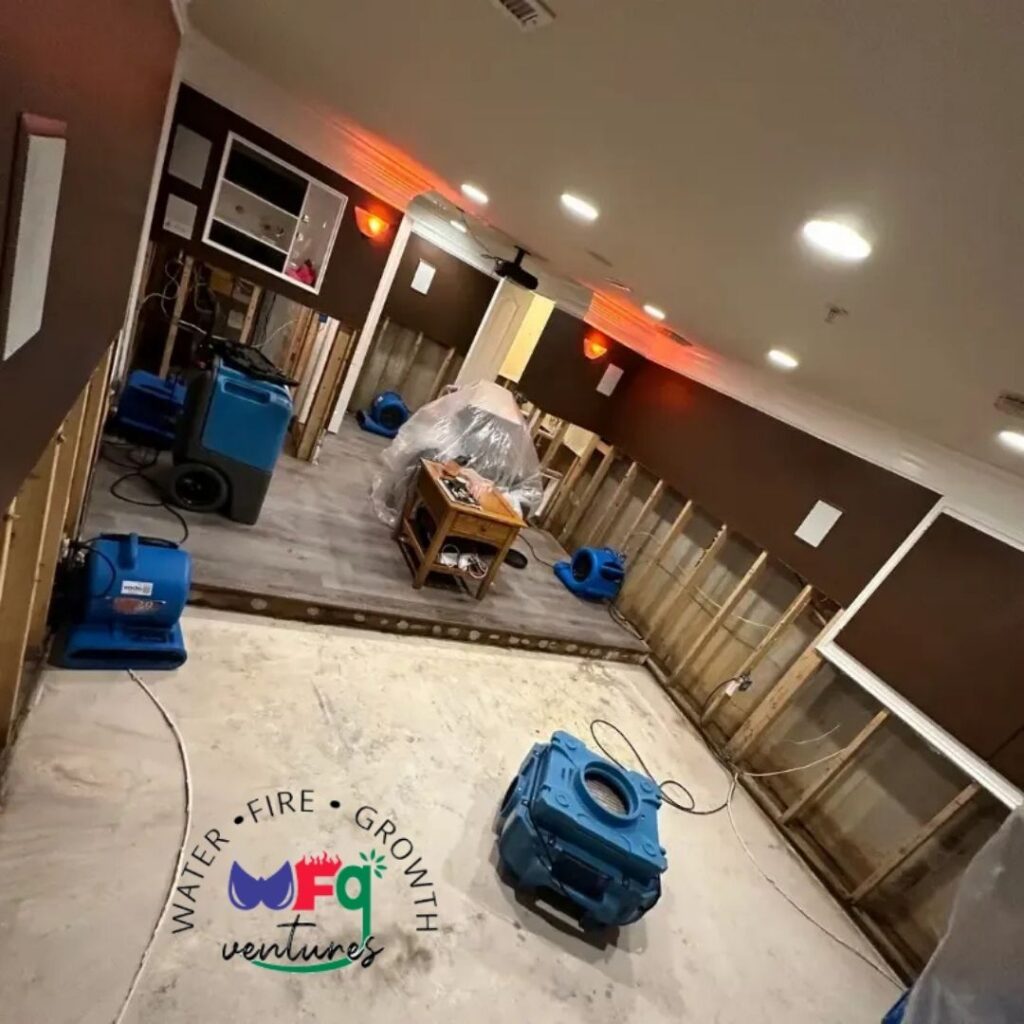
Water Damage Repair vs. Water Restoration: What’s the Real Difference?
When disaster strikes and your home or business suffers water damage, you’ll likely encounter terms like “water damage repair” and “water restoration.” While they might sound interchangeable, they represent distinct phases of the recovery process.
Understanding the difference is crucial for navigating insurance claims and ensuring your property returns to its pre-damage condition.
Water Damage Repair: Fixing What’s Broken
Think of water damage repair as the practical, hands-on aspect of fixing the physical damage caused by water.
This typically involves:
- Replacing damaged materials: This could mean tearing out and replacing soaked drywall, carpeting, flooring, or insulation.
- Structural repairs: Addressing issues with framing, subflooring, or other structural components that have been compromised by water.
- Cosmetic repairs: Painting, patching, and other finishes to restore the appearance of the affected areas.
- Fixing or replacing damaged personal property: This can range from furniture to electronics.
Essentially, water damage repair focuses on the tangible, visible damage and aims to bring your property back to a usable state.
Water Restoration: A Comprehensive Approach
Water restoration, on the other hand, is a more holistic process that goes beyond simply fixing what’s broken.
This typically involves:
- Water Extraction: Removing standing water using specialized pumps and vacuums.
- Drying and Dehumidification: Using industrial-grade equipment to eliminate moisture from the air and affected materials, preventing mold growth and further damage.
- Sanitization and Cleaning: Cleaning and disinfecting affected areas to eliminate bacteria, mold, and other contaminants.
- Mold Remediation: If mold is present, specialized techniques are used to remove it and prevent its recurrence.
- Odor Removal: Eliminating lingering odors caused by water damage.
- Content Restoration: Cleaning, drying, and restoring salvageable personal belongings.
- Monitoring: Regularly checking moisture levels to ensure complete drying.
Water restoration aims to address the root cause of the damage and prevent long-term problems. It’s about creating a safe and healthy environment, not just patching things up.
Key Differences Summarized:
- Scope: Repair focuses on fixing physical damage, while restoration takes a comprehensive approach to address all aspects of the damage.
- Focus: Repair is about rebuilding, while restoration is about drying, sanitizing, and preventing further issues.
- Timing: Restoration typically precedes repair, as it’s crucial to address moisture and contamination before rebuilding can begin.
Why is Understanding the Difference Important?
- Insurance Claims: Knowing the difference helps you accurately document and communicate the scope of the damage to your insurance company.
- Preventing Future Problems: Proper restoration minimizes the risk of mold growth, structural damage, and other long-term issues.
- Ensuring a Safe Environment: Restoration ensures that your property is not only visually restored but also safe and healthy to inhabit.
In conclusion, water damage repair is a vital part of the recovery process, but it’s only one piece of the puzzle. Water restoration provides the comprehensive care needed to fully recover from water damage and protect your property for the long term.
If you experience water damage, contact WFG Ventures to handle both aspects of the recovery process.